How to Relieve Dry Mouth: 7 Proven Ways to Restore Saliva Flow
Suffering from a dry, sticky mouth? Learn how to stimulate natural salivary glands, protect enamel, and relieve xerostomia.
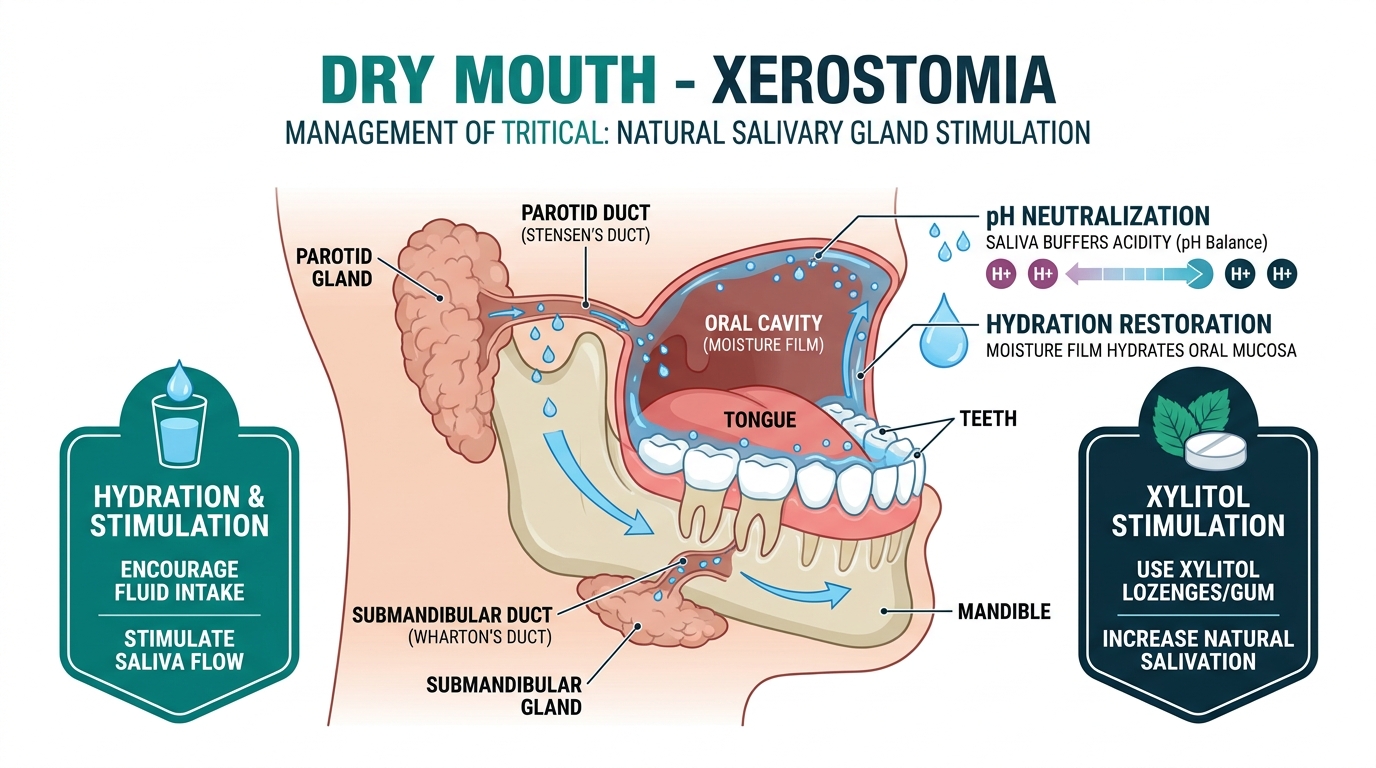
Dry mouth (clinically known as xerostomia) is far more than an uncomfortable feeling of thirst. Saliva is your mouth’s primary immunological defense: it continuously neutralizes acid, cleanses food particles, supplies calcium and phosphate to remineralize tooth enamel, and maintains the pH necessary for healthy oral bacteria.
When salivary flow declines, the risk of rapid tooth decay, chronic bad breath, fungal infections (thrush), and gum inflammation increases dramatically.
Here are seven evidence-backed ways to stimulate natural salivary glands, restore oral moisture, and protect your teeth.
7 Ways to Relieve Dry Mouth
1. Chew 100% Xylitol Gum or Mints
Mastication (chewing) physically stimulates the parotid and submandibular salivary glands via mechanoreceptor feedback. Choosing gum sweetened with xylitol provides a double benefit:
- Stimulates natural saliva flow up to tenfold during chewing.
- Xylitol cannot be fermented into acid by oral bacteria, effectively starving Streptococcus mutans.
2. Sip Water Frequently, But Don’t “Swish Away” Saliva
Keep a reusable water bottle nearby and take small, frequent sips. However, avoid aggressive continuous swishing, which can inadvertently rinse away the thin, protective salivary film (pellicle) coating your enamel.
3. Review Your Medication List with Your Physician
Over 400 common prescription and over-the-counter medications list dry mouth as a primary side effect, including:
- Antihistamines and decongestants
- Blood pressure medications (diuretics, beta-blockers)
- Antidepressants (SSRIs, tricyclics)
- Muscle relaxants and pain relievers
Never stop taking a prescribed medication on your own, but ask your doctor if alternative dosages or daytime timing could reduce nighttime dry mouth.
4. Sleep with a Cool-Mist Humidifier
Nighttime is when salivary production drops to near-zero naturally. If you breathe through your mouth while sleeping, you wake up with parched, burning oral tissues. Running a cool-mist humidifier next to your bed keeps ambient moisture high.
5. Switch to a Dry-Mouth Toothpaste (SLS-Free)
Standard commercial toothpastes often contain Sodium Lauryl Sulfate (SLS), which can irritate dry, sensitive mucosa. Switch to a non-foaming, enzymatic toothpaste containing moisturizing agents like betaine or carboxymethylcellulose.
6. Avoid Caffeine, Alcohol, and Antiseptic Mouthwash
Caffeine and alcohol are mild systemic diuretics that further deplete fluid reserves. In addition, avoid mouthwashes containing alcohol, which sting dry tissues and accelerate desiccation.
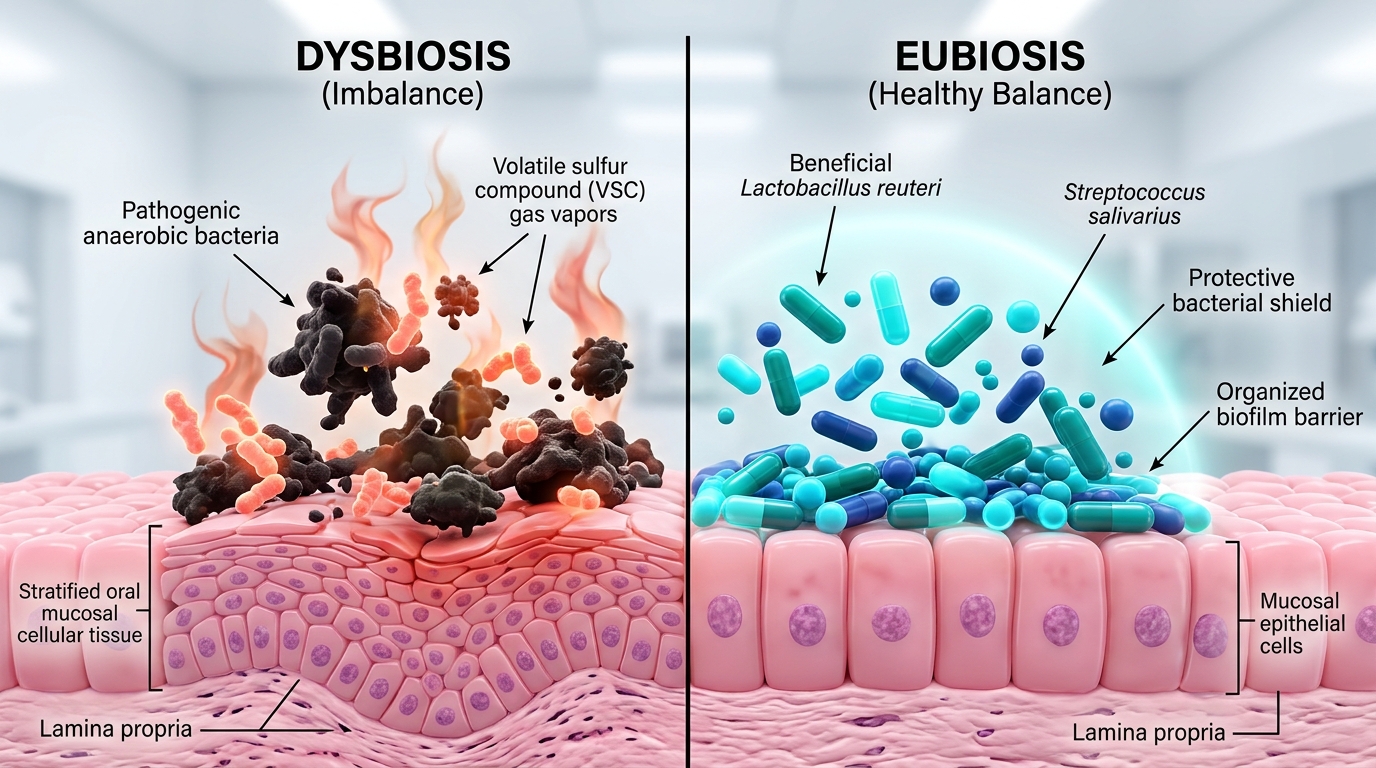
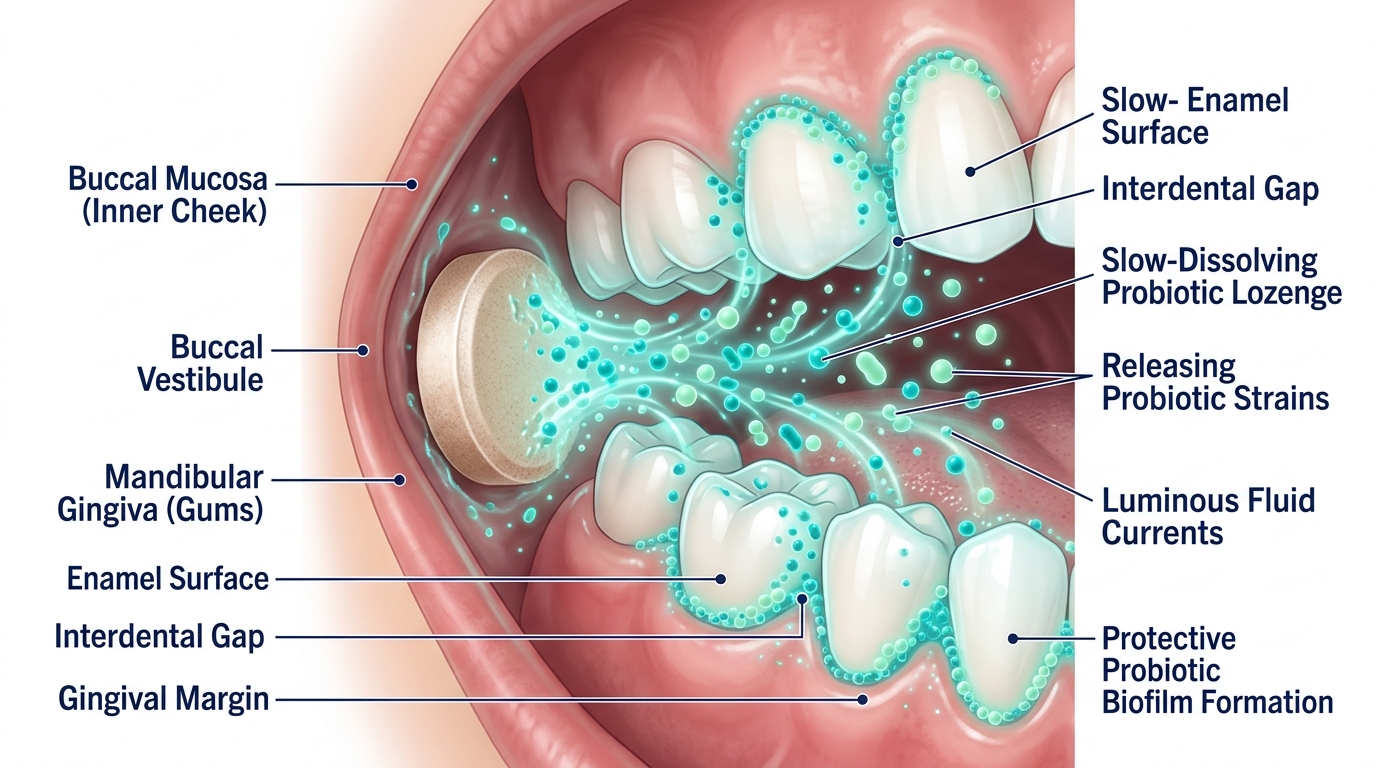
7. Support the Oral Microbial Environment
When saliva is scarce, protective proteins like lactoferrin and lysozyme diminish. Dissolvable oral probiotic lozenges or saliva-substitute gels help maintain microbial equilibrium during periods of low gland output.
Essential Dental Care Notice: oral concerns
Supplements and oral probiotics are exploratory adjuncts, not primary clinical treatments. They cannot reverse deep periodontal pockets, remove calcified tartar, or cure active dental infections. If you experience persistent bleeding, severe bad breath lasting weeks, or oral pain, schedule an in-person evaluation with a licensed dental professional.
Scientific Sources & Evidence References
Our editorial desk validates medical statements using peer-reviewed dental literature, clinical trials, and clinical consensus guidelines.
- Management of xerostomia and salivary gland hypofunction
- Etiology and management of dry mouth in adults
Spot an error or outdated supplement fact? We prioritize scientific accuracy. Submit a correction or editorial feedback →