Why Gums Bleed When Brushing: 5 Causes & How to Stop It Fast
Noticed pink in the sink? Discover why gums bleed during brushing, how to reverse gingivitis safely, and when to see a dentist.
Seeing blood in the sink after brushing or flossing is one of the most common oral health symptoms adults encounter. Many people assume bleeding gums are “normal” or simply a sign of “brushing too hard,” prompting them to stop flossing altogether to avoid further bleeding.
In reality, healthy gums do not bleed.
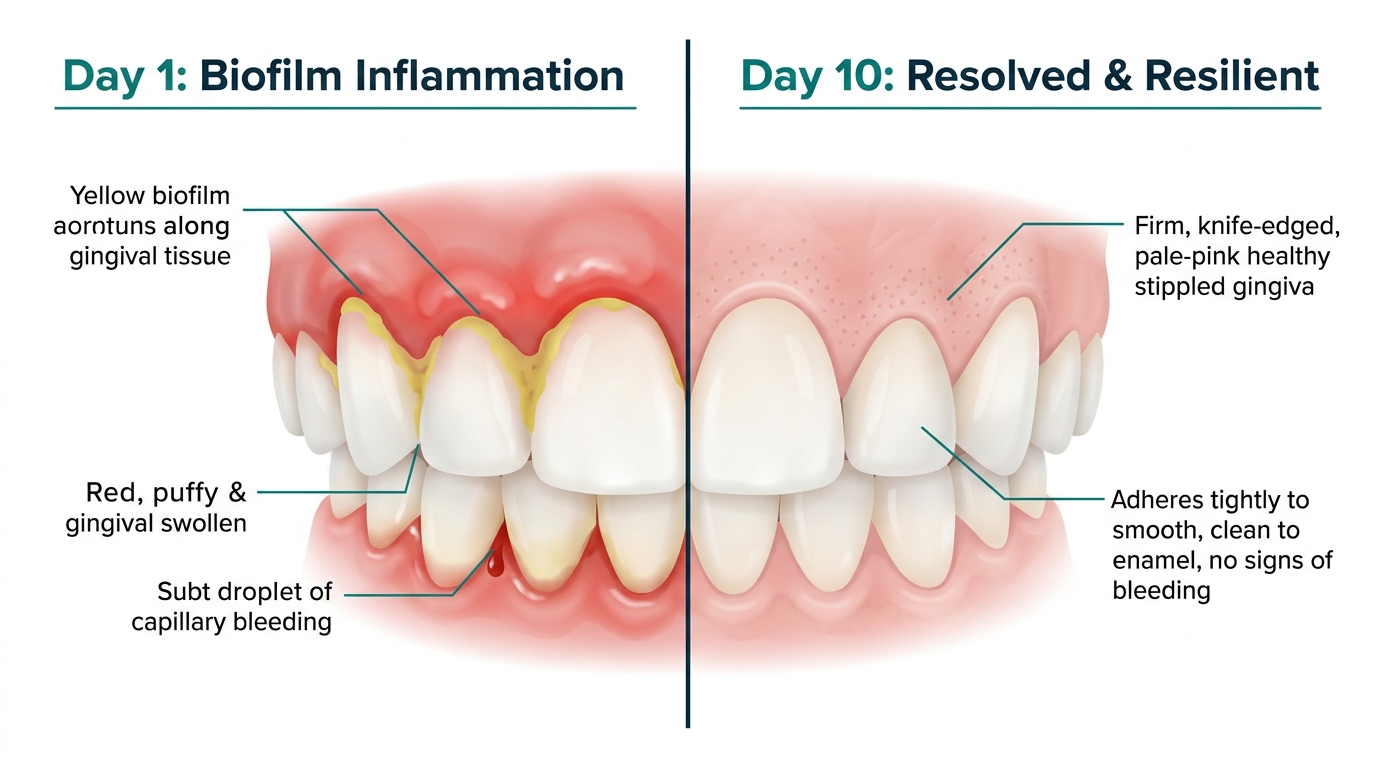
If your gums bleed when brushed gently with a soft toothbrush, it is almost always a sign of plaque-induced gingivitis - an active inflammatory response to bacterial biofilm living along your gumline.
Here is the medical science behind why your gums bleed, the most common mistakes people make, and how to safely reverse gingivitis in 10 to 14 days.
5 Common Reasons Gums Bleed
1. Plaque Accumulation at the Gum Margin (Gingivitis)
Within 24 hours of brushing, a sticky, invisible biofilm of bacteria forms on teeth. If not disrupted daily, the bacteria release endotoxins that penetrate the delicate sulcular epithelium lining your gums.
Your immune system responds by dilating local capillary blood vessels to deliver white blood cells. These engorged, inflamed capillaries are extremely fragile; even light contact from a toothbrush or floss can cause them to rupture and bleed.
2. The “Flossing Hiatus” Mistake
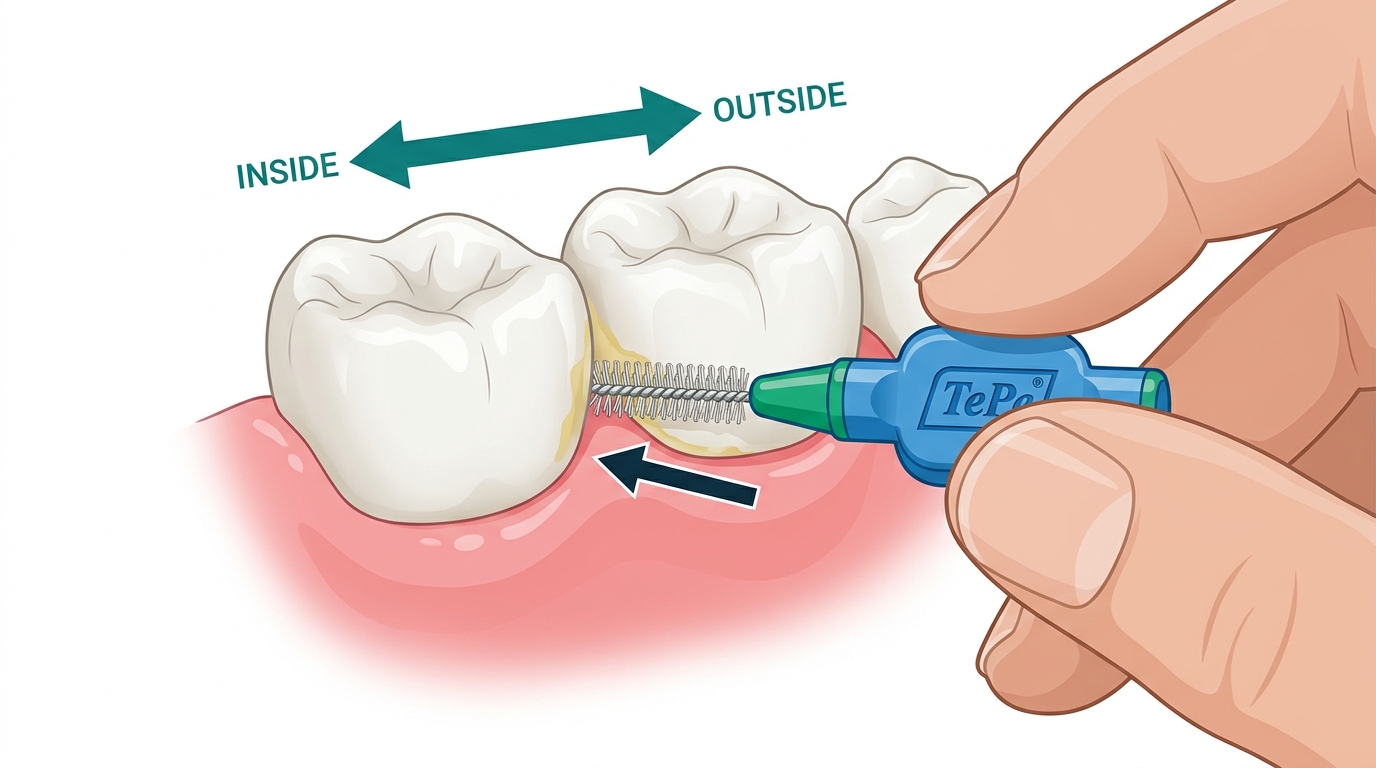
When people notice their gums bleeding during flossing, their instinct is often to stop flossing. This creates a vicious cycle: stopping flossing allows interdental plaque to multiply undisturbed, worsening the inflammation and ensuring even heavier bleeding next time.
Key fact: With consistent, gentle daily flossing, bleeding usually resolves completely within 7 to 10 days as tissue inflammation subsides.
3. Using a Medium or Hard Bristle Toothbrush
Brushing with stiff bristles or applying excessive pressure (scrubbing like you are cleaning bathroom tile) wears away tooth enamel (abrasion) and lacerates fragile gum tissue. Always choose an extra-soft or soft toothbrush and let the bristles do the work with gentle circular motions.
4. Hormonal Shifts
Fluctuations in estrogen and progesterone during pregnancy, puberty, menstruation, or menopause increase blood flow to gum tissue, making them hyper-reactive to even small amounts of plaque.
5. Smoking and Vaping Masking Effect
Interestingly, tobacco smokers often have less visible bleeding despite having much more severe periodontal disease. Nicotine is a potent vasoconstrictor that restricts blood flow to gums. When smokers quit, their gums often begin bleeding temporarily as healthy circulation returns.
How to Stop Bleeding Gums in 14 Days
- Brush for two minutes twice daily using a soft-bristled manual or oscillating electric toothbrush at a 45-degree angle toward the gumline.
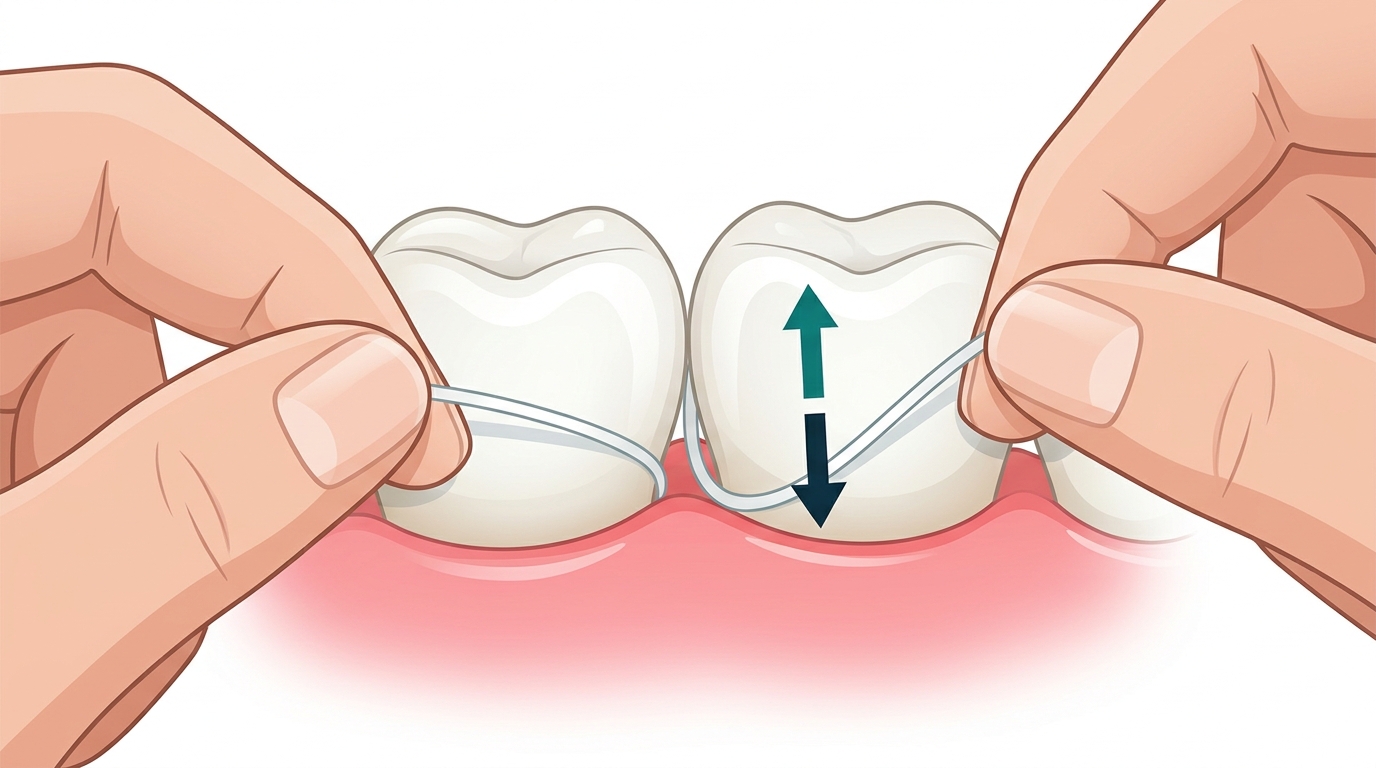
- Clean between teeth once daily using floss or interdental brushes. Do not snap the floss hard against the gums; curve it into a “C-shape” against the tooth side.
Essential Dental Care Notice: oral concerns
Supplements and oral probiotics are exploratory adjuncts, not primary clinical treatments. They cannot reverse deep periodontal pockets, remove calcified tartar, or cure active dental infections. If you experience persistent bleeding, severe bad breath lasting weeks, or oral pain, schedule an in-person evaluation with a licensed dental professional.
Scientific Sources & Evidence References
Our editorial desk validates medical statements using peer-reviewed dental literature, clinical trials, and clinical consensus guidelines.
- Gingivitis: Epidemiology, pathogenesis, and clinical management
- Plaque-induced gingivitis: Case definition and diagnostic considerations
Spot an error or outdated supplement fact? We prioritize scientific accuracy. Submit a correction or editorial feedback →