Water Flosser vs String Floss: Which Actually Clears Odor-Causing Plaque?
A clinical comparison of water flossers (oral irrigators) versus traditional string floss. Learn which removes adherent bacterial biofilm, which flushes periodontal pockets, and how to pair them.
Direct Answer: Traditional string floss and water flossers perform fundamentally different physical jobs. String floss uses mechanical friction to scrape adherent, sticky bacterial biofilm off tooth enamel. A water flosser uses pulsating hydraulic pressure to flush unattached food debris, volatile sulfur toxins, and anaerobic microbes from periodontal pockets up to 6mm deep. For complete odor control and gingival health, dentists recommend using string floss (or an interdental brush) to physically detach biofilm, followed by a water flosser or saline rinse to flush out freed debris, and finally an oral probiotic lozenge to repopulate the clean sulcus with non-odor-producing bacteria.

The Physics of Interdental Cleaning: Friction vs Hydraulic Force
Many consumers buy an electric water flosser hoping to retire traditional dental string forever. However, dental microbiologists emphasize that oral plaque is not loose silt - it is an organized, sticky, carbohydrate-rich extracellular matrix (glycocalyx) that firmly glues bacteria to enamel.
1. What String Floss Does That Water Cannot
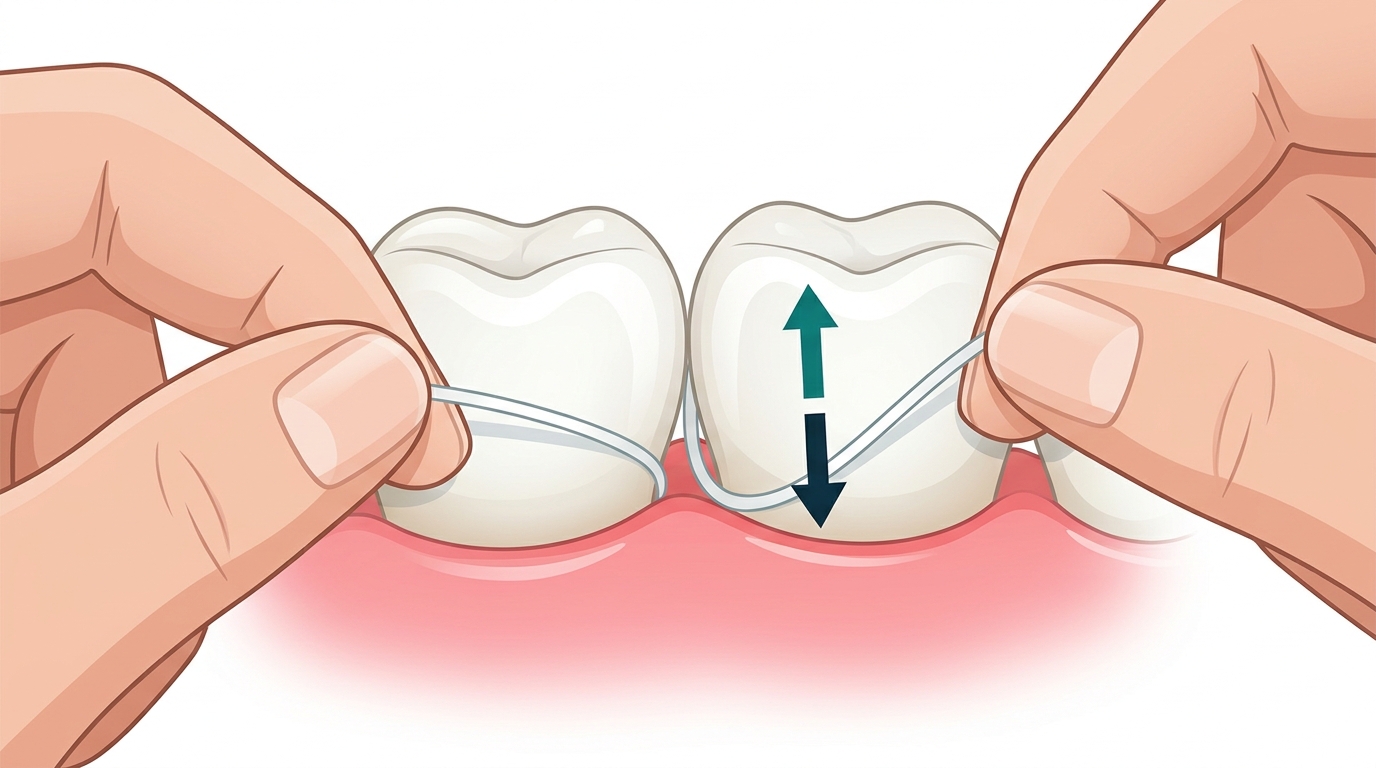
Dental floss functions like a rubber squeegee against glass. When wrapped tightly into a C-shape around the curvature of the tooth, the microscopic fibers shear sticky plaque colonies off the convex enamel and cementum surfaces. Water pressure alone - even at high settings - often glides over this dense biofilm without breaking its underlying adhesive anchors.
2. What Water Flossers Do That String Cannot
While string floss excels at tight interproximal contact points, it struggles in concave root flutings and deep periodontal pockets. If your gums have receded or you have pockets deeper than 3mm, traditional string floss cannot reach the base without cutting the gum attachment.
A water flosser utilizes pulsatile hydrodynamic pressure (typically 1,200 to 1,600 pulses per minute). This pulsing creates alternating compression and decompression waves that:
- Penetrate subgingivally up to 6mm deep (compared to 2–3mm for string).
- Flush out unattached anaerobic bacteria, dead epithelial cells, and volatile sulfur compound (VSC) gases.
- Clean around dental implants, orthodontic braces, bridges, and crown margins where string frequently shreds or snags.
Direct Feature Comparison: Head-to-Head
The following table summarizes the clinical capabilities of each cleaning modality based on periodontal literature:
| Feature & Clinical Target | String Floss (C-Shape) | Water Flosser (Oral Irrigator) | Interdental Proxy Brush |
|---|---|---|---|
| Sticky Biofilm Shearing | Exceptional (Mechanical scrape) | Moderate (Rinses surface film) | Superior in open gaps |
| Subgingival Depth Reach | 2–3 mm (Sulcus only) | Up to 6 mm (Deep pockets) | 2–3 mm (Embrasure space) |
| Volatile Sulfur Gas Flushing | Low (Releases odor on string) | Immediate (Hydraulic wash) | Low |
| Crown, Bridge & Implant Care | Difficult (Catches on margins) | Outstanding | Excellent if size-matched |
| Ease of Daily Compliance | Low (Requires high dexterity) | Very High (Enjoyable to use) | High |
| Bleeding Gum Reduction | High (Once habit is formed) | Very Fast (Gentle on tissue) | High |
Real-Life Scenarios: Which Tool Should You Choose?
Scenario A: Your Floss Always Smells Like Putrefaction
If pulling floss from between your back molars releases a foul sewer-like odor, you have established colonies of anaerobic P. gingivalis and T. denticola.
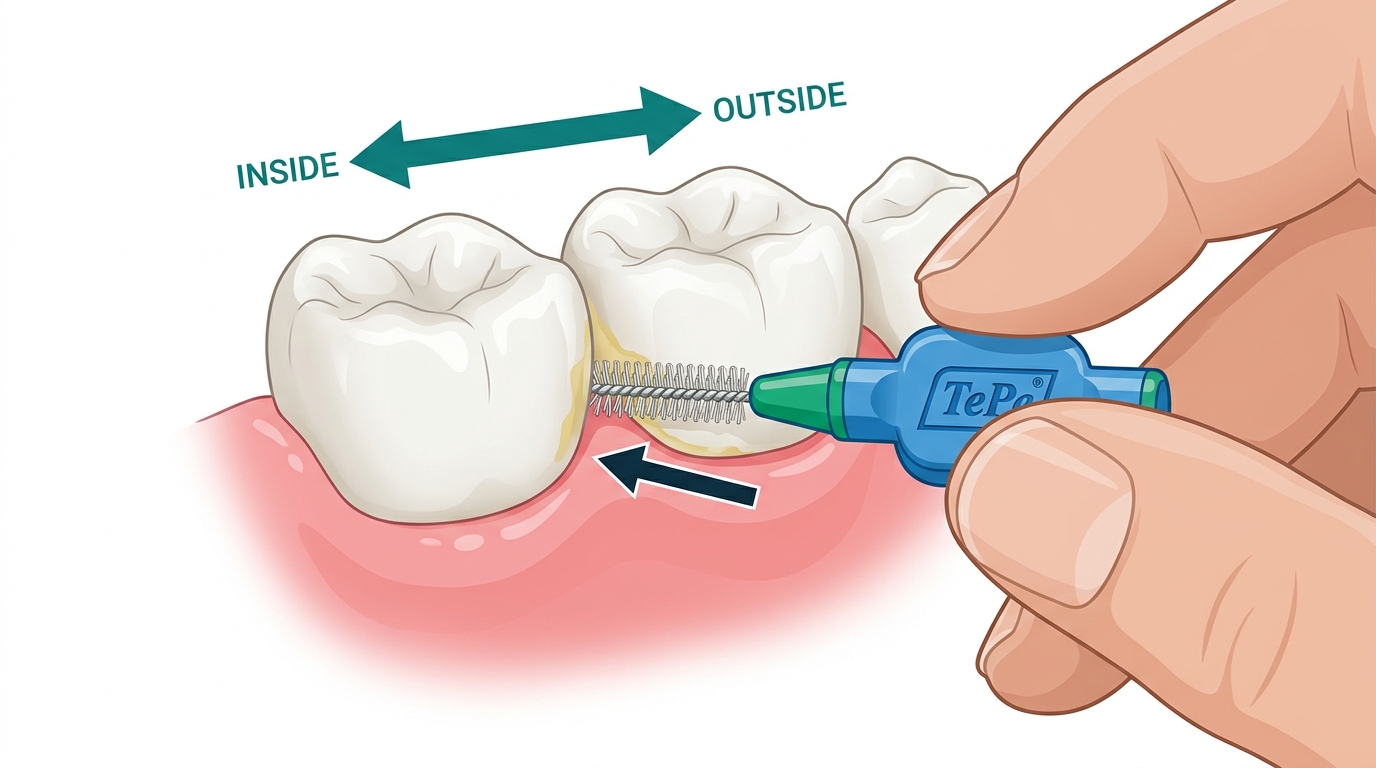
- The Protocol: You must use string floss or an interdental brush to mechanically scrape that stubborn biofilm. A water flosser alone will leave the sulfur-generating layer intact.
- Microbial Step: Immediately after mechanical disruption, chew or dissolve an oral probiotic lozenge containing Streptococcus salivarius M18 or Lactobacillus reuteri so non-pathogenic bacteria recolonize the freshly scraped tooth surface.
Scenario B: You Have Bleeding Gums or Periodontal Pockets (4mm+)
If your dental hygienist measured 4mm or 5mm pockets, string floss cannot reach the bottom of the infection reservoir.
- The Protocol: Use string floss gently at the collar, followed by a water flosser on low-to-medium pressure angled at 45 degrees along the gumline to flush the deep subgingival sulcus.
Scenario C: You Have Braces, Bridges, or Implants
String floss often snags and shreds around brackets and abutments, leading to frustration and neglected hygiene.
- The Protocol: A water flosser equipped with an orthodontic or plaque seeker tip is the primary daily foundation, combined with superfloss threaders or interdental brushes.
The Synergistic “Triple-Shield” Odor Protocol
For maximum bad-breath elimination and gum longevity, top periodontists recommend combining mechanical shearing with hydraulic flushing and microbial repopulation:
- Step 1 - Mechanical Biofilm Scraping (Night): Use string floss in a C-shape or an interdental brush between every tooth contact.
- Step 2 - Hydrodynamic Flushing: Use your water flosser with lukewarm water (or 0.1% diluted saline) to flush all loosened bacterial clumps out of the mouth.
- Step 3 - Microbial Inoculation: Once the subgingival sulcus is completely cleaned of debris, do not rinse with harsh alcohol mouthwash (which kills remaining protective flora). Instead, slowly dissolve an oral probiotic lozenge to seal the clean spaces with beneficial protective bacteria before sleep.
Essential Dental Care Notice: oral concerns
Supplements and oral probiotics are exploratory adjuncts, not primary clinical treatments. They cannot reverse deep periodontal pockets, remove calcified tartar, or cure active dental infections. If you experience persistent bleeding, severe bad breath lasting weeks, or oral pain, schedule an in-person evaluation with a licensed dental professional.
Scientific Sources & Evidence References
Our editorial desk validates medical statements using peer-reviewed dental literature, clinical trials, and clinical consensus guidelines.
- Evaluation of the Plaque Removal Efficacy of a Water Flosser Compared to Dental Floss
- Subgingival Irrigation with Oral Probiotics in Periodontal Maintenance
- Microbial Profiling of Interdental Plaque Before and After Mechanical vs Hydraulic Cleaning
Spot an error or outdated supplement fact? We prioritize scientific accuracy. Submit a correction or editorial feedback →